The Berlin Wall: August 13
Discover the significance of the Berlin Wall, built on August 13, 1961, in Cold War-era architecture and its impact on the city.
The Berlin Wall: August 13, 1961
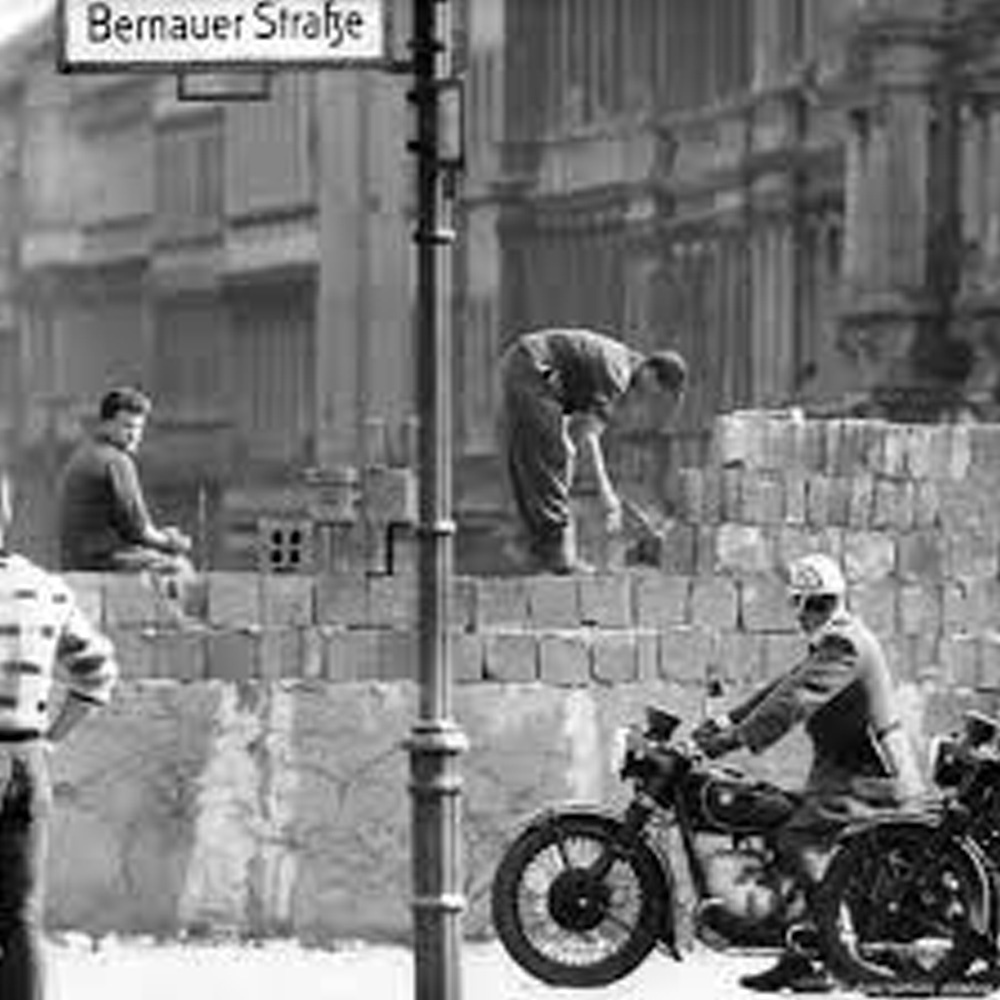
August 13, 1961, is known as the day the Berlin Wall began to be constructed, marking a pivotal moment synonymous with the Cold War era. The Berlin Wall was not only a physical barrier but also a symbol of the deep division between two worldviews. For nearly thirty years, it sharply separated East and West Germany while standing as one of the most tangible representations of the Cold War.
Construction and Architectural Features of the Berlin Wall:
Initially, the Berlin Wall consisted of barbed wire and simple concrete barriers. Over time, it evolved into a more complex and formidable structure. Stretching approximately 160 kilometers, the Wall divided the city of Berlin into East and West. Standing about 3.6 meters high, it was built to prevent East Germans from fleeing to the West. Its construction overnight brought profound changes to the city and across Germany.
The Significance of the Berlin Wall During the Cold War:
As one of the most prominent symbols of the Cold War, the Berlin Wall represented the physical manifestation of ideological conflict. East Germany’s communist regime constructed the Wall to stop escapes to the West. Thus, the Wall became more than just an architectural structure—it symbolized the struggle between freedom and oppression.
-
A Divided City: The Wall effectively split Berlin in two. Crossings between East and West Berlin were completely closed, separating families and friends. This created deep social and economic impacts.
-
Propaganda Tool: The Wall became a powerful propaganda instrument for both sides. East Germany promoted it as an “anti-fascist protective barrier,” while the West portrayed it as a symbol of oppression and dictatorship.
-
Impact on the City: Beyond affecting daily life, the Wall altered Berlin’s physical and psychological landscape. It halted the city’s natural growth, freezing it in place. Cultural differences developed on both sides, forming the dual identity that Berlin still reflects today.
The Fall of the Berlin Wall and Its Legacy:
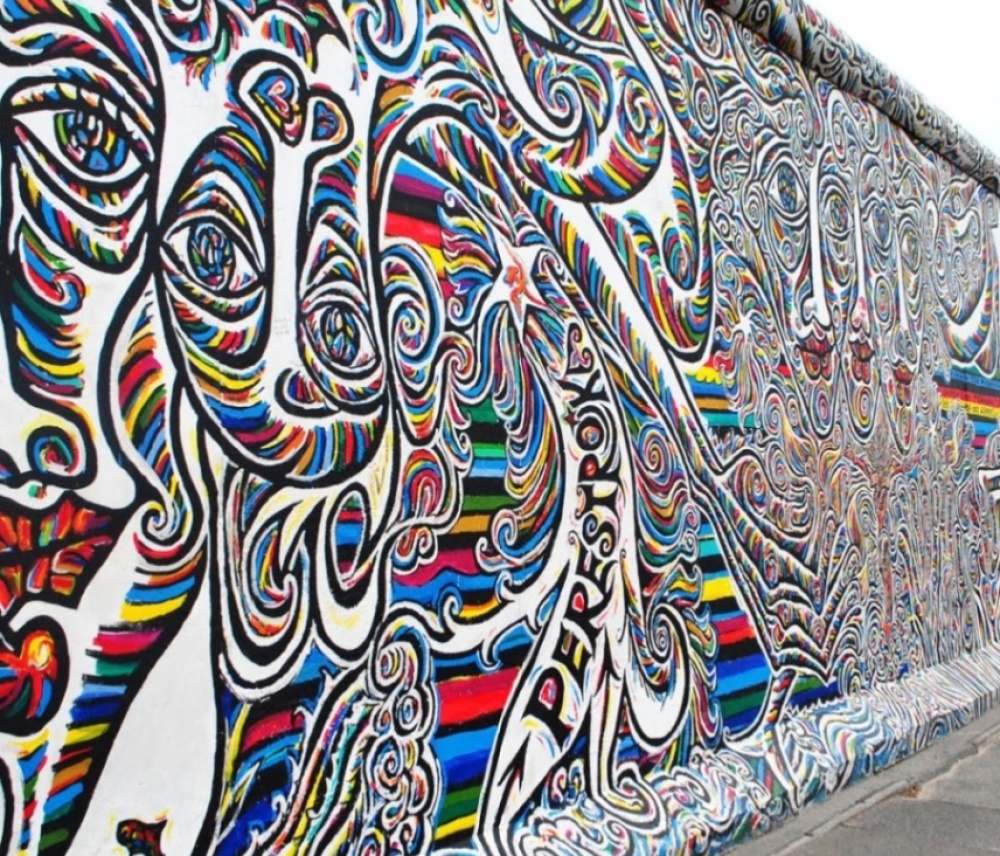
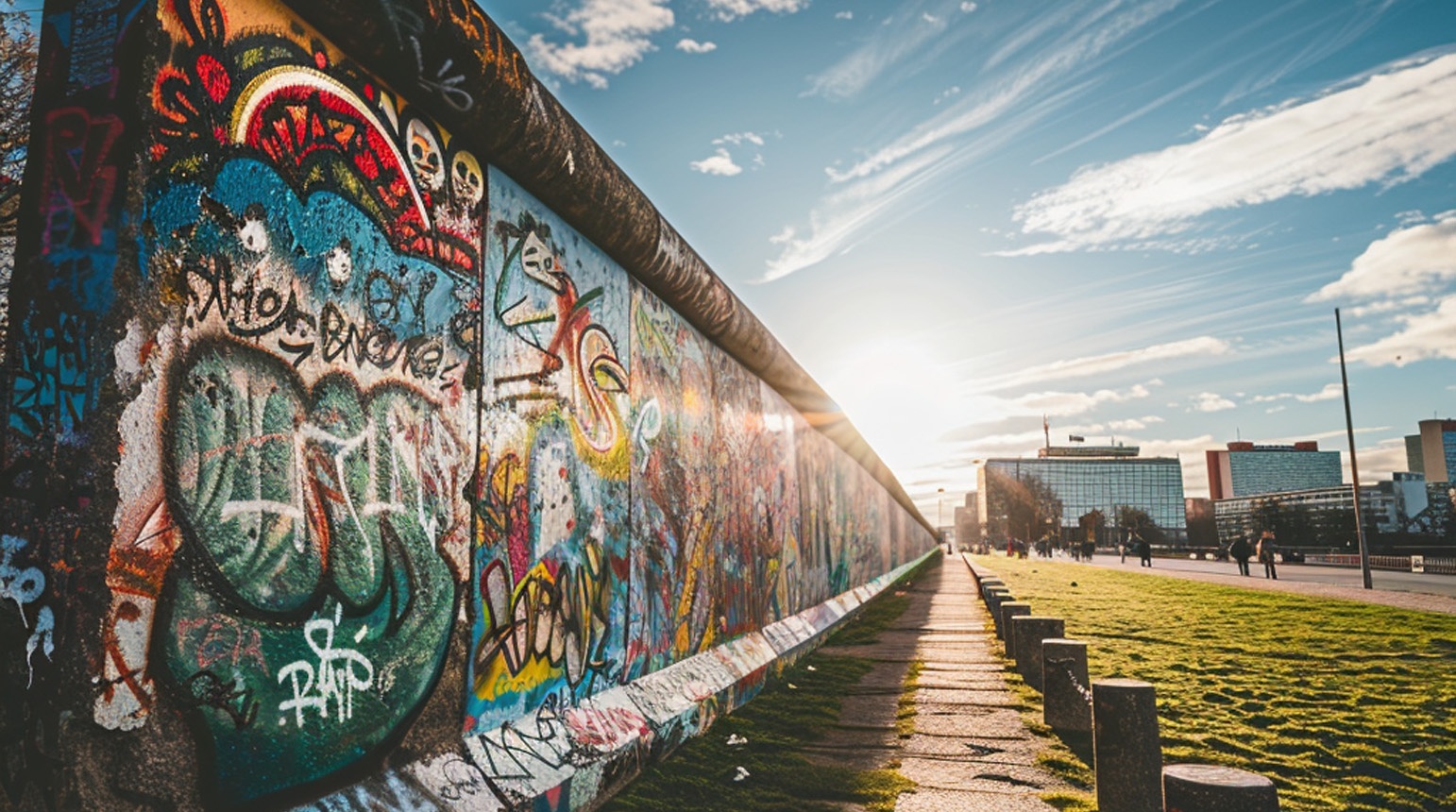
The fall of the Berlin Wall on November 9, 1989, marked one of the most significant events signaling the end of the Cold War. This moment not only initiated Germany’s reunification but also heralded a new era for Europe. Today, remnants of the Berlin Wall stand as symbols of freedom and peace. Some sections have been preserved as monuments and museums, continuing to testify to this dark period in history.
The Berlin Wall was more than just a wall; it is one of the most powerful symbols of an era, significant both architecturally and historically. Built beginning on August 13, 1961, the Wall carries the traces of the Cold War and forms a crucial part of Berlin’s cultural and historical heritage. Its story continues to be remembered as both a tale of a divided world and the triumph over that division.
Discover