Sustainable Architectural Solutions of the Future
Architecture today is no longer just about aesthetics and functionality; sustainability and innovation have also become essential elements for modern buildings. In this blog post, we will discuss environmentally conscious and forward-looking architectural solutions.
Sustainable Architectural Solutions of the Future
Architecture today is no longer just about aesthetics and functionality; sustainability and innovation have also become essential elements for modern buildings. In this blog post, we will discuss environmentally conscious and forward-looking architectural solutions. Here are five key approaches that shed light on the future of sustainable architecture:
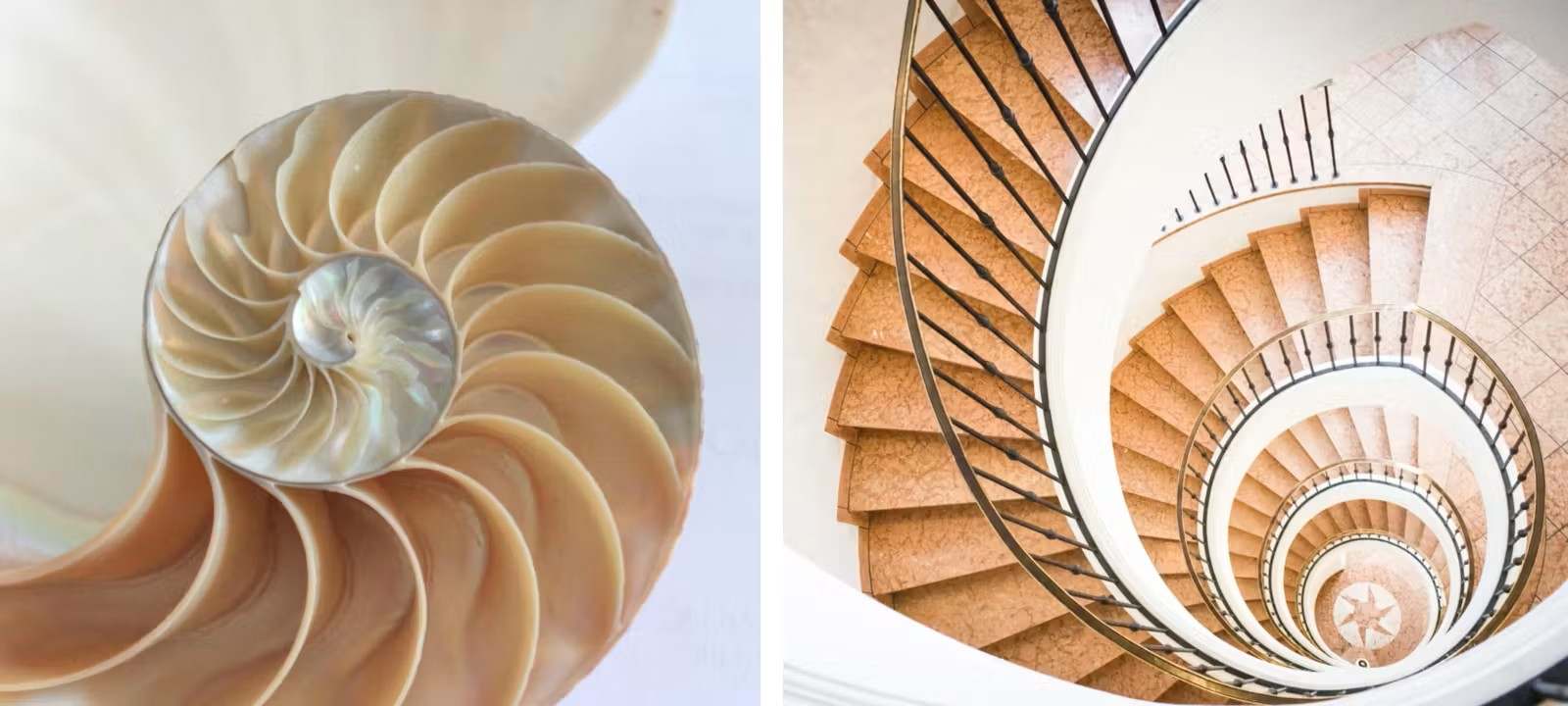
1. Ecological Architecture: Nature-Inspired Sustainable Buildings
Ecological architecture aims to design energy-efficient and environmentally friendly buildings by taking inspiration from nature. This architectural approach mimics the cyclical processes of nature to minimize energy and resource consumption. Biomimicry plays a significant role in such projects. Examples include roofs that generate electricity by maximizing sunlight use and systems that collect and reuse rainwater. Ecological architecture not only supports environmental responsibility but also offers users a sustainable living experience closely connected to nature.
2. Circular Economy: A Waste-Free Future in Construction
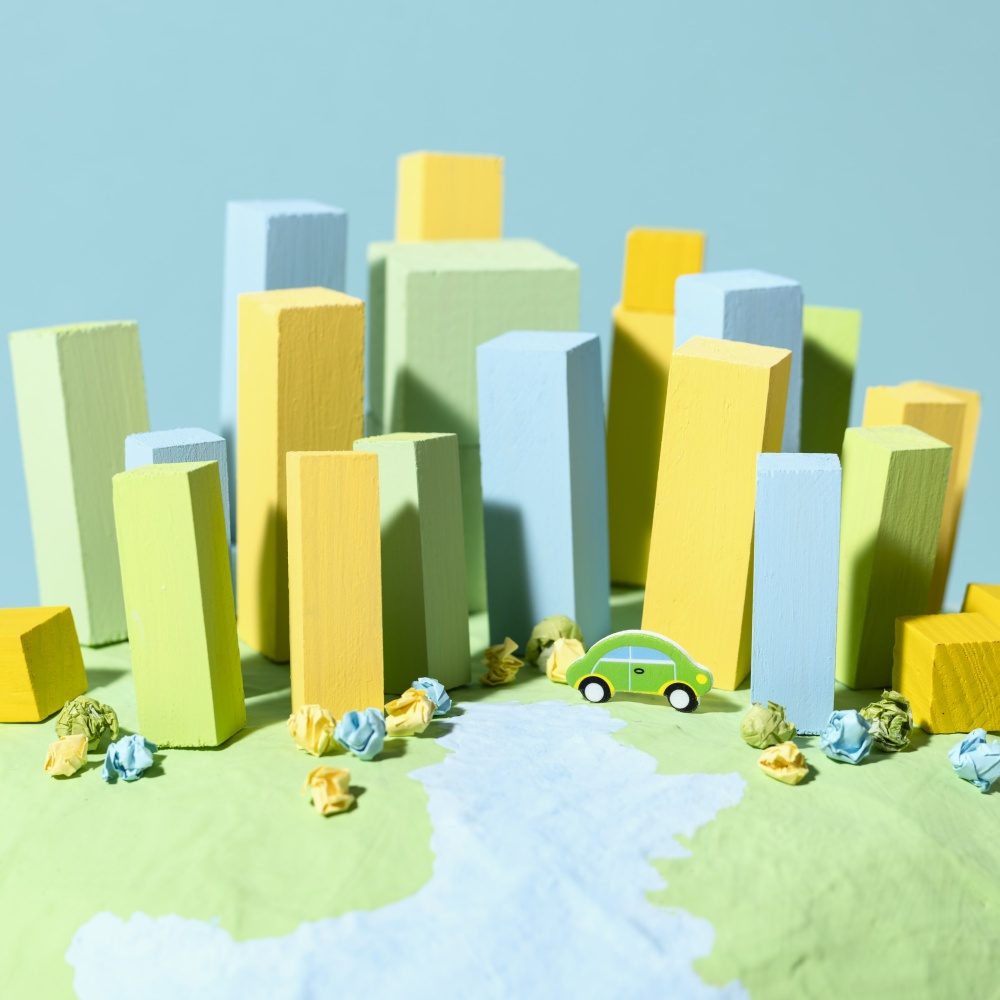
The circular economy is a system based on the reuse of resources and minimizing waste. Since the construction sector generates significant amounts of waste, transitioning to a circular economy model is crucial. Applications such as reusing materials from demolished buildings and optimizing recycling processes are fundamental principles of the circular economy. This approach protects natural resources and reduces waste. In the future, cities designed according to circular economy principles will represent a major step toward sustainability.
3. Carbon-Neutral Cities: Zero-Emission Urban Living
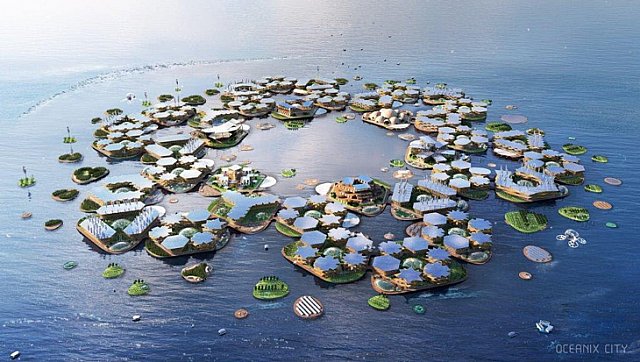
Carbon-neutral cities aim to reduce urban carbon footprints to zero. In these cities, renewable energy sources are used to reduce fossil fuel consumption and increase energy efficiency. Solar, wind, and hydroelectric power are harnessed to meet energy demands. Sustainable transportation solutions such as electric vehicles, bicycle lanes, and pedestrian-friendly areas are also integral components. Carbon-neutral cities form the foundation of sustainable urban living in the future.
4. Green Energy: Renewable Energy Use in Buildings
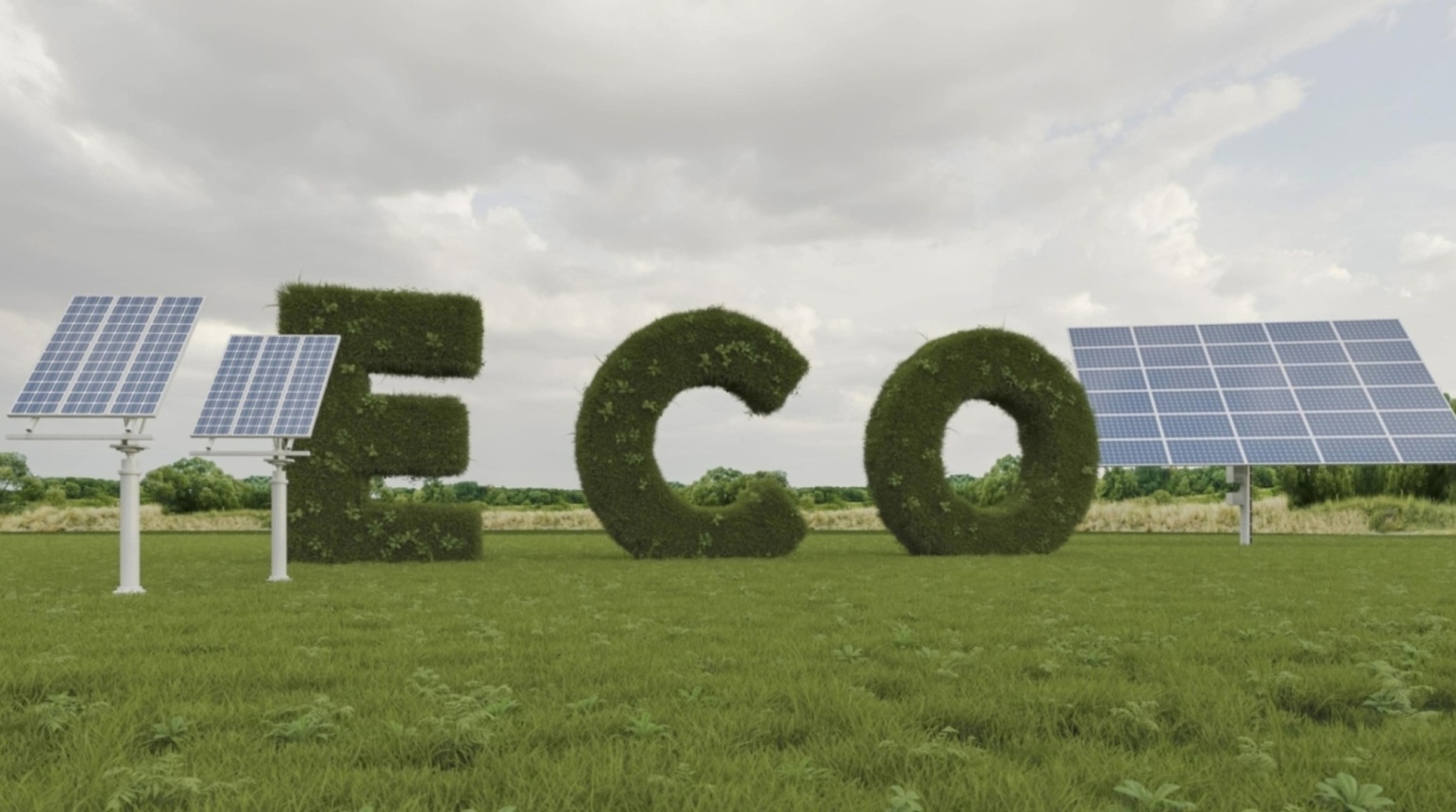
Given the rapid depletion of traditional energy sources and their environmental impact, the use of renewable energy is increasingly important. Utilizing solar, wind, and other renewable energy sources in buildings is ideal for promoting eco-friendly living and reducing energy costs. Solar panels installed on rooftops can meet a building’s energy needs, while wind turbines on tall buildings can serve as effective energy producers. These innovative energy solutions enable the construction of more sustainable and cost-efficient buildings in the future.
5. Smart Cities and Sustainability: The Urban Areas of Tomorrow
Smart cities aim to create more sustainable, efficient, and livable urban spaces through advanced technologies and data-driven solutions. Sustainability is prioritized in energy consumption, water management, waste management, and transportation. Smart transportation systems reduce traffic congestion and enhance public transit efficiency, while smart water management ensures efficient use of water resources. Energy efficiency is a key element in smart cities. These cities minimize environmental impact while improving quality of life.
These approaches demonstrate how architecture offers innovative solutions for sustainability and shapes the cities of the future. Each approach balances environmental responsibility with the demands of modern living, creating more livable spaces for both current and future generations. Such architectural solutions will play a critical role in building a sustainable future.
Discover