Decoration Tips According to the Feng Shui Philosophy
Your living spaces are not just physical places where you spend time; they are energy fields that directly affect your mood, productivity, and peace. Feng Shui is an ancient teaching based on achieving balance and harmony in these spaces. In this article, you will discover what Feng Shui is, its core principles, and how you can combine this philosophy with modern decoration. We will discuss in detail how to optimize the energy of a space, especially from floor selection to the use of objects.
What is Feng Shui and Why is it Important for Our Spaces?
Feng Shui is an art of placement and balance with roots dating back thousands of years to Ancient China. Literally, "Feng" means wind, and "Shui" represents water. At the core of this philosophy lies the uninterrupted and balanced flow of "Chi," the life energy existing in the universe, within spaces.
You may have noticed this yourself; when you enter some spaces, you instantly feel a sense of peace, while in others, an unidentifiable restlessness arises. Feng Shui constitutes the very architecture of these feelings. It is not just about the arrangement of furniture; light, color, texture, and even the material of the floor you step on are parts of this energy flow. When applied correctly, Feng Shui helps you create positive transformations in different areas of your life (career, health, relationships).
Core Principles of Feng Shui
The Feng Shui philosophy is based on specific principles to regulate the energy flow in spaces and create balance in living areas. These principles encompass not only decorative preferences but also space planning, furniture placement, and the materials used. Feng Shui rules help make an area more peaceful, balanced, and functional.
At the foundation of this approach lie three main concepts: the five elements theory, the balance of yin and yang, and the bagua map. When these concepts are considered together, home decoration according to Feng Shui can be planned much more consciously and harmoniously. The goal is to ensure the uninterrupted and balanced flow of chi energy within the space.
The Five Elements Theory
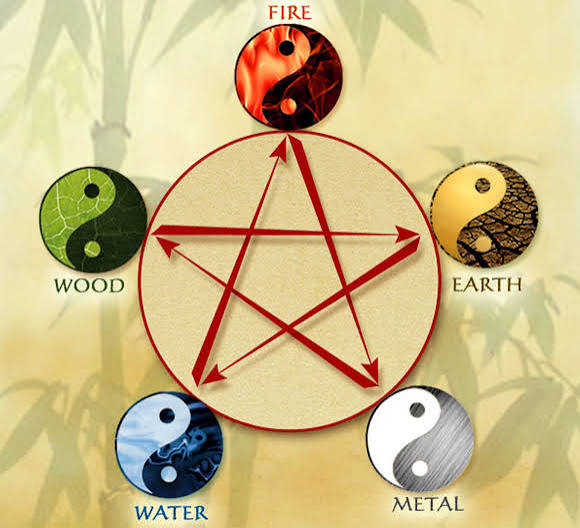
According to the Feng Shui philosophy, the universe moves through a cycle of five basic elements: wood, fire, earth, metal, and water. While each of these elements represents a different energy, they establish a delicate balance among themselves. Using these elements in the right proportions in your spatial design directly affects the spirit and energy of your living space.
You can incorporate each element into spaces through colors and materials:
● Wood: Represents growth and vitality.
● Fire: Symbolizes energy and movement.
● Earth: Creates a sense of trust and balance.
● Metal: Is associated with clarity and order.
● Water: Means fluidity, flexibility, and peace.
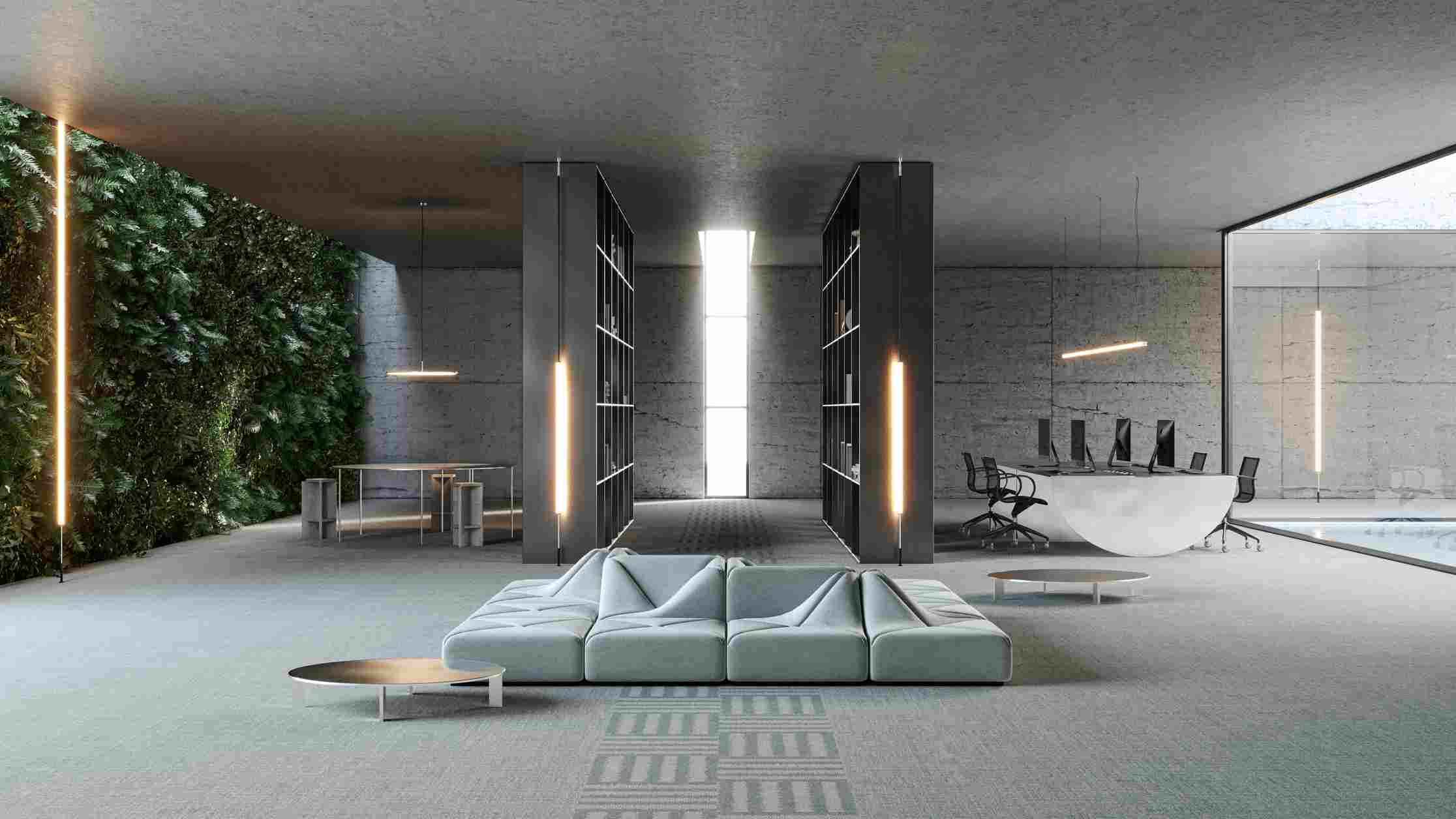
The balanced use of these elements is the foundation of Feng Shui decoration. For example, an office consisting entirely of metallic, hard, and cold surfaces may emit an overly distant energy due to the dominance of the metal element. In this case, you can achieve balance by using a wood-textured LVT coating on the floor or warm-colored objects. Material selection is the most critical tool for establishing this energy balance, especially in large surfaces like floor coverings.
The Balance of Yin and Yang
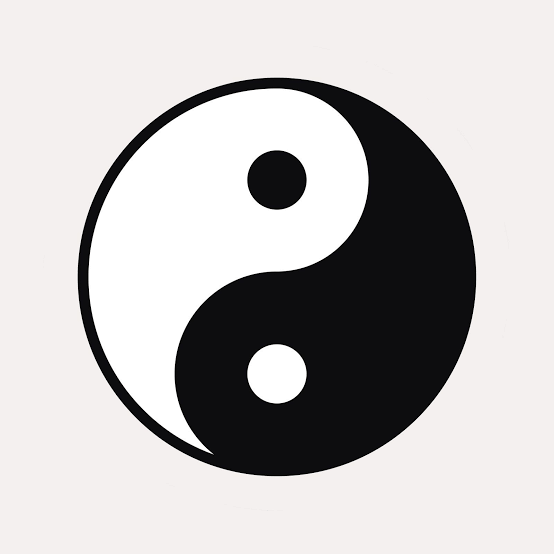
Yin and Yang are the most fundamental concepts of the Feng Shui philosophy and represent the perfect harmony of opposites. Yin expresses calm, soft, and relaxing energy. Yang, on the other hand, has an active, vibrant, and dynamic structure. Using these two forces in a balanced way in your space design increases both comfort and the functionality of the space.
When planning your decoration, you should establish a balance based on the intended use of the area. For instance, Yin energy should be dominant in relaxation areas like the bedroom. In these areas, the use of soft-textured carpet tiles, pastel tones, and natural light supports this calmness. Conversely, Yang energy is prominent in offices or study rooms. Vibrant colors, furniture with clean lines, and dynamic flooring solutions facilitate focus.
You can achieve this balance not only with colors but also with textures. Hard surfaces and bright lights increase the Yang effect, while soft textures and dim lights strengthen the Yin energy. Therefore, in the Feng Shui decoration approach, you should aim to create a balanced atmosphere by considering both the aesthetic and functional needs of the space.
The Bagua Map
The Bagua map is the most effective tool used in the Feng Shui philosophy to analyze the energy fields of a space. This map consists of nine basic sections representing different aspects of life. Themes such as career, health, wealth, relationships, and creativity are positioned on this map.
You can also place the Bagua map like a template over the space when creating your home or office plan. When applying this, you should take the main entrance door as the reference point. The wall where the entrance door is located represents the bottom part of the map, and all other areas are determined relative to this center. With this method, you can clearly see which corner of the space touches which area of your life.
Each Bagua area is associated with specific elements and symbols. For example, using the wood element and green tones in the "Wealth" area elevates the energy, while dark colors or wavy patterns representing the water element are preferred in the "Career" area. The Bagua map transforms not only furniture placement but the entire decoration process—from the color of the floor you choose to the wall painting—into a conscious strategy. A correctly constructed map ensures that your living space attains a much more harmonious and peaceful atmosphere.
Home and Office Decoration According to Feng Shui: General Rules and Tips
If you also want to establish balance in your living spaces, you should know that the main goal of decoration is to ensure the uninterrupted flow of "Chi" energy. The Feng Shui decoration approach is not just an aesthetic preference; it is a simple, orderly, and functional life setup. While applying this philosophy, you must approach every detail, from the layout plan to the color selection, with a conscious strategy.
The main entrance door, which is the point where life energy enters the space, is the first area you should pay attention to. You should arrange the entrance area in a spacious and inviting manner. A clutter of belongings in front of the door or a messy cloakroom prevents energy from entering. Therefore, you can facilitate the flow of Chi energy by creating as minimal a setup as possible in your entryway.
In furniture placement, you must preserve the freedom of movement within the space. Large furniture blocking the pathways causes energy to become trapped in the room. You can soften the energy flow by preferring designs with softer lines instead of tables with sharp corners. A balanced layout will create both a physical and spiritual comfort zone in the space.
Color and floor selection are the areas where Feng Shui rules are most concretely applied:
● The Power of Colors: You can increase "Yin" energy by using calming colors like earth tones in relaxation areas. In workspaces, you should lean towards more vibrant and energetic tones that trigger productivity.
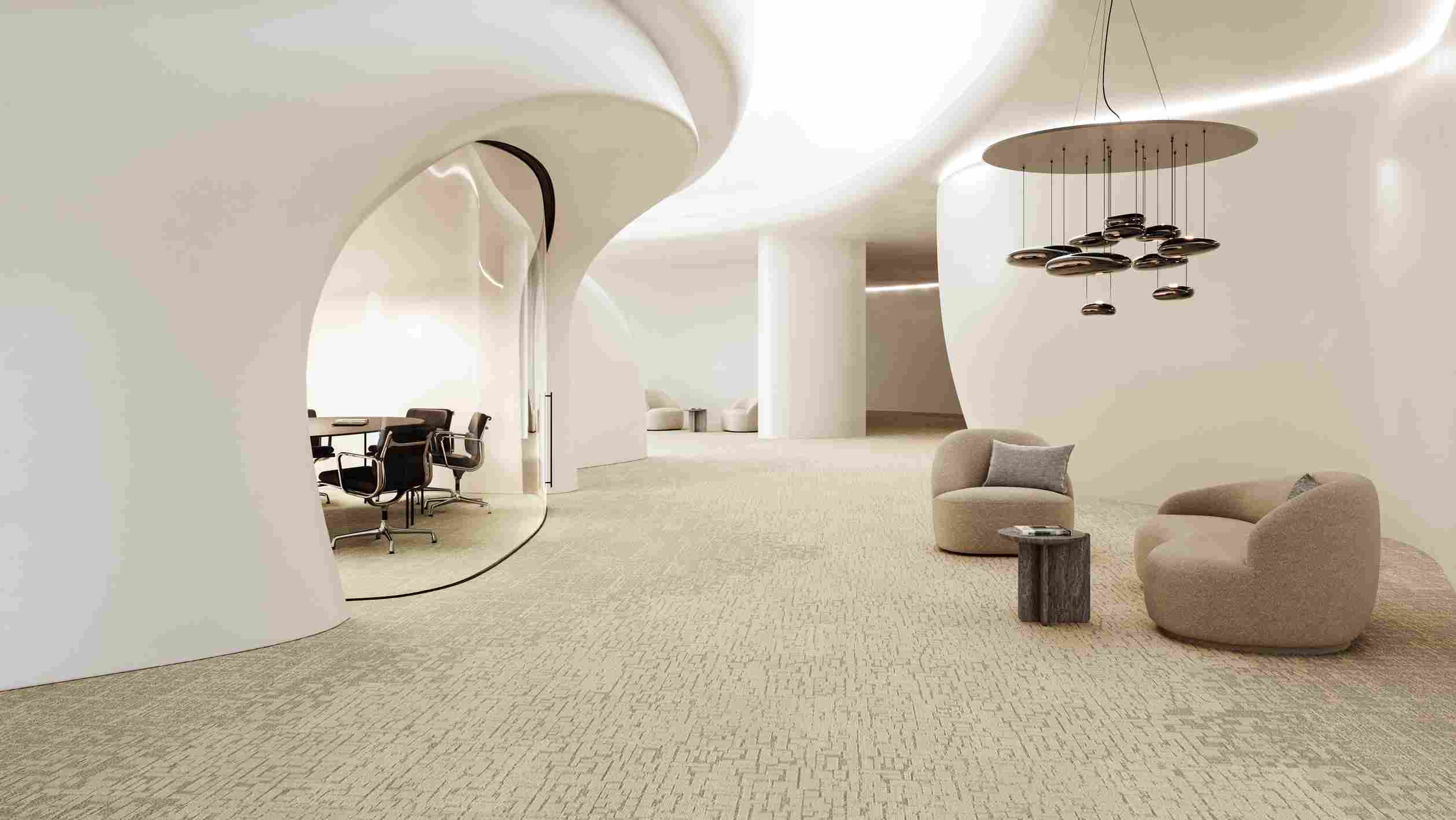
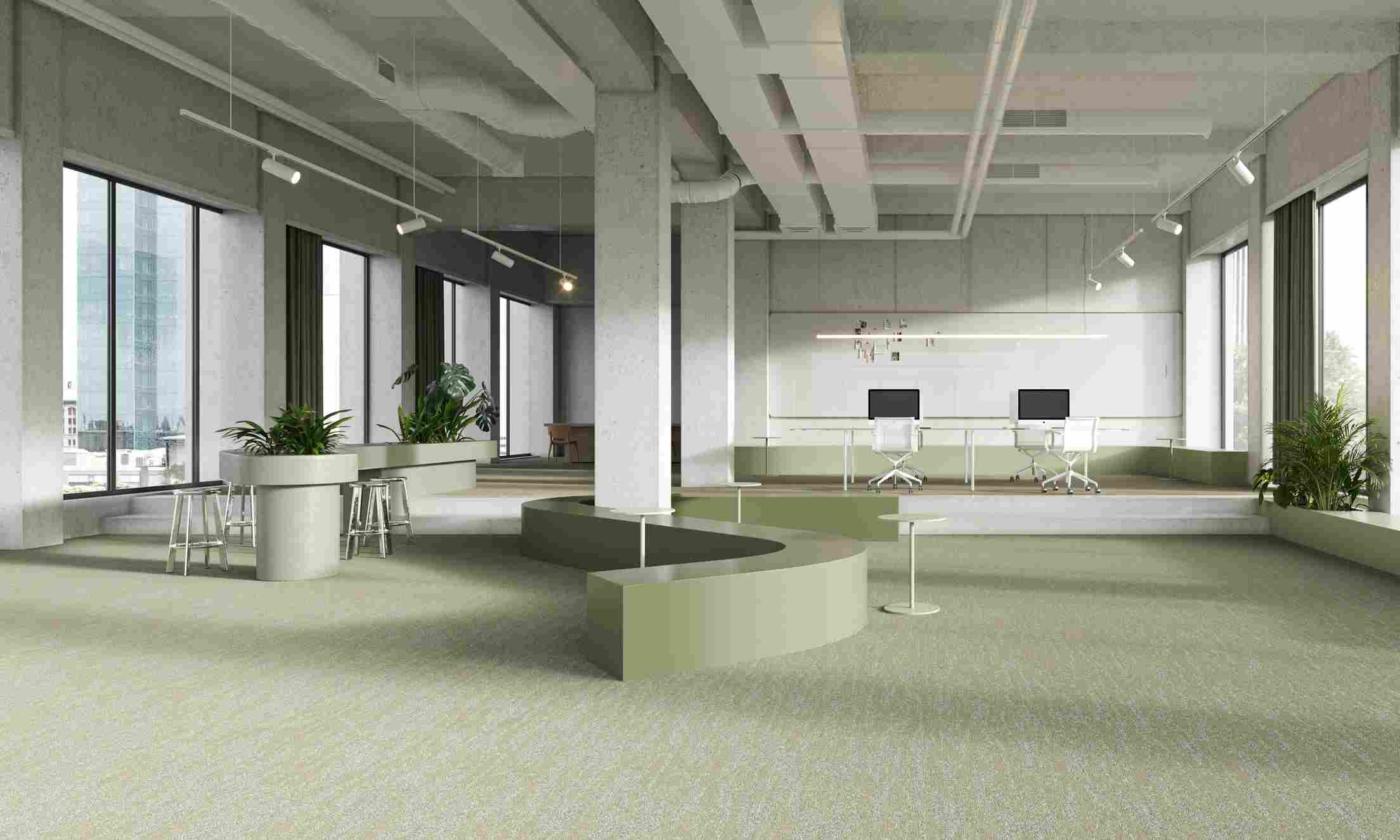
● Flooring and Energy: The floor covering is the grounding center of a space. Choosing natural-looking floors that are compatible with the spirit of the space supports overall cohesion. The carpet tile, LVT, or woven vinyl solutions offered by Unigen provide an ideal subfloor with texture and color options suitable for this philosophy.
Create Feng Shui-Compatible Spaces with Unigen Flooring Solutions
In the Feng Shui decoration approach, the floor is the largest surface that directly affects the general energy of the space. A correct flooring choice is not just a visual success but also a functional decision made for the uninterrupted circulation of Chi energy. The flooring solutions we offer at Unigen provide you with professional guidance in establishing this balance.
You too can optimize the energy flow by using materials that prioritize naturalness in your home or office. For instance, while woven vinyl coverings, which display a modern and clear stance in your workspaces, represent the metal element with their durability; carpet tile models, which offer a warm touch in living spaces, enhance comfort. LVT (Luxury Vinyl Tile), with its aesthetic and modern design options, brings the texture of wood and stone to your space, making you feel the reassuring energy of the earth element.
With Unigen's flooring solutions, it is possible to design durable spaces that are suitable for different usage purposes and remain faithful to Feng Shui principles. With the right material choice, you can capture both an aesthetic and a spiritual balance.
Frequently Asked Questions
What should I pay attention to when making an office plan according to Feng Shui?
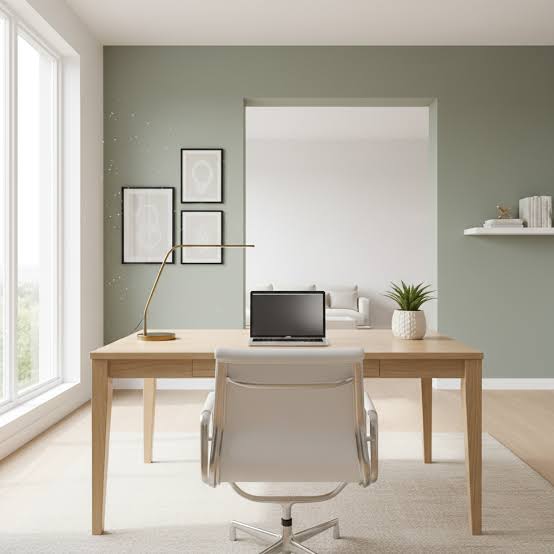
When creating an office plan according to Feng Shui, the desk position must first be determined correctly. If possible, the work desk should be placed so that it faces the door. This placement increases the feeling of control and security. At the same time, having your back against a solid wall creates a supportive effect.
Maintaining order within the office is also important. Messy and cluttered areas negatively affect energy flow. Therefore, unnecessary items should be avoided, and a simple arrangement should be established. Lighting should also be balanced, and natural light should be preferred as much as possible.
As for color selection, very harsh contrasts should be avoided, and tones that support focus should be preferred. In this way, both a more efficient and a more balanced working environment can be created.
How should the flooring and color selection be in the office according to Feng Shui rules?
According to Feng Shui rules, flooring and color selection in office design directly affect the energy of the space. Therefore, both visual balance and functionality should be evaluated together. It is important that floor surfaces are not excessively hard, slippery, or distracting. A balanced and simple floor supports focus in the workspace.
Floors with natural tones create a more harmonious atmosphere in the Feng Shui decoration approach. Wood-look surfaces or neutral colors create a sense of warmth and balance in the space. At this point, solutions reflecting natural textures like LVT or Carpet Tile models providing acoustic comfort can be preferred.
In color selection, one should act according to the purpose of use. In workspaces requiring intense focus, balanced colors such as beige, gray, and light earth tones stand out. In more creative areas, green and blue tones used in a controlled manner can be preferred. The important thing is that colors are selected in a way that does not tire the eyes and creates a harmonious whole within the space.
Which objects and symbols are used in Feng Shui?
The objects and symbols used in the Feng Shui decoration approach are selected to support the energy balance of the space. These objects are not just decorative but also elements that carry specific meanings. Feng Shui symbols are used to amplify different energies depending on the area they are placed in.
The most commonly used Feng Shui objects include mirrors, plants, water features, and natural stones. Mirrors are used to direct energy and make the space look larger. Live plants support growth and vitality energy, specifically representing the wood element. Water features are associated with fluidity and abundance.
In addition to this, some symbolic objects are also frequently preferred. For example, the bamboo plant represents luck and endurance, while the turtle figure symbolizes longevity and protection. When choosing a Feng Shui painting, nature landscapes, water themes, and calming visuals should be preferred.
The positioning of objects is just as important as their selection. Each object becomes more effective when placed appropriately in the area it represents on the Bagua map. Therefore, when doing Feng Shui home decoration, both aesthetic and meaning balance must be evaluated together.
What should I pay attention to when choosing a painting according to Feng Shui?
Feng Shui painting selection is a factor that directly impacts both focus and overall energy balance in an office environment. Therefore, not only aesthetics but also the feeling it gives and the meaning it represents should be taken into consideration. It is important that the visuals chosen have a supportive quality for the work environment.
In offices, paintings with nature themes and simple compositions should be preferred according to the Feng Shui decoration approach. Especially water, horizon lines, open landscapes, or minimal nature visuals create a feeling of spaciousness and flow in the space. Such visuals contribute to creating a mentally more balanced and focused work environment.
Overly complex, intensely colored, or restlessness-inducing paintings can be distracting. Thus, highly active scenes or visuals containing negative connotations should be avoided. Neutral and balanced tones should be prioritized in color selection.
The placement of the painting is also important. Visuals located right across from the work desk will be seen constantly during the day, so they should be simpler and more motivating. Furthermore, positioning the paintings at eye level and on a scale compatible with the space ensures a balanced look within the office.
Discover