What is Biomimicry? Examples of Biomimicry
Nature harbors the most efficient solutions that have managed to survive throughout the evolutionary process spanning millions of years. So, how can we humans adapt this unique wisdom to our own lives? This is exactly where biomimicry comes into play. Biomimicry, the art of examining these systems, forms, and strategies in nature and adapting them to human life, essentially means creating sustainable, functional, and aesthetic designs by imitating the solutions developed by nature. Today, we see the traces of the biomimicry approach in many fields, from engineering to architecture, from technology to product design. In this article, we will seek an answer to the question "what is biomimicry?", examine its core principles and areas of use, and present striking examples from our daily lives. We will also discover together how biomimicry is applied in architecture and interior design.
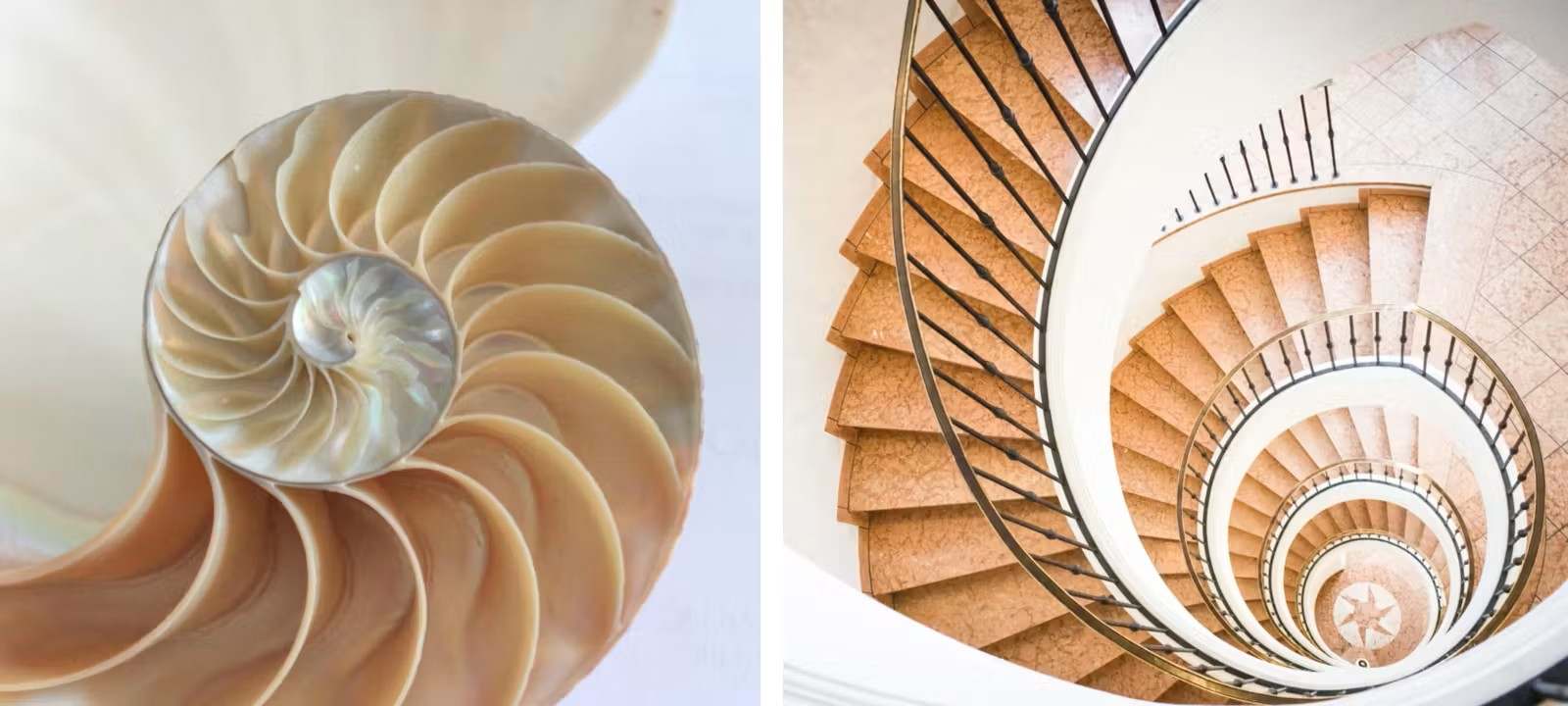
What is Biomimicry?
Biomimicry literally means "imitating nature." It is derived from the concepts of "bio," meaning life, and "mimicry," meaning to imitate. This approach aims to produce designs and technologies adaptable to human life by examining the mind-blowing solutions that nature has developed over millions of years. Biomimicry not only takes inspiration from nature; it also places the principles of sustainability, efficiency, and harmony at its core.
The structures, movement patterns, or systems of living creatures in nature actually offer a ready-made solution to many problems we encounter. Just think about it:
● By examining the wing structure of birds, the aerodynamic form of airplanes was developed. Thus, machines capable of flying faster and with less fuel emerged.
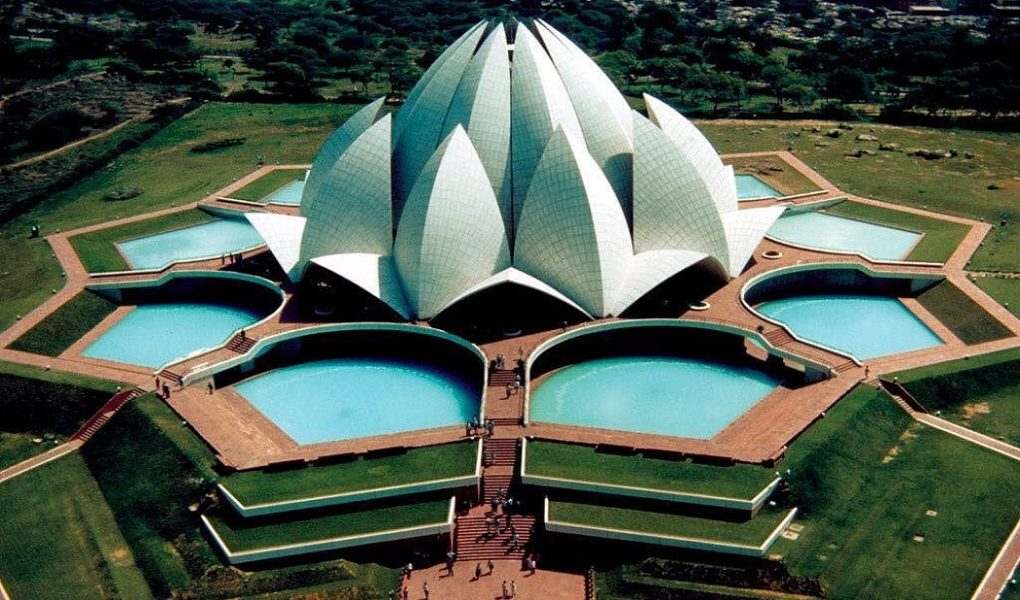
● The self-cleaning surface of the lotus flower inspired water-repellent paints and coatings. Now, surfaces that do not get dirty and clean themselves are no longer a dream.
● The incredible durability of spider webs guides us in the design of lightweight but strong materials. Thanks to this, the buildings and vehicles of the future will be sturdier and lighter.
Biomimicry views nature not just as a source of inspiration, but also as a model and a measure. This elevates it from being merely a design approach to becoming the sustainable life philosophy of the future.
Core Principles and Design Steps of Biomimicry
Biomimicry does not settle for merely observing nature; it also allows us to consciously transfer the solutions it has developed into our design process. This approach has some core principles and implementation steps:
Core Principles:
● Taking Nature as a Model: Forms, systems, and processes in nature are sources of inspiration for us. Understanding how they work sheds light on our own designs.
● Sustainability: Just like in nature, our solutions should provide maximum efficiency using minimum energy and resources. The goal is to establish circular systems that produce no waste.
● Harmony and Balance: The delicate balance that living beings in nature establish with their environment is also preserved in biomimicry designs. We look for solutions that do not harm the environment and integrate seamlessly with it.
● Innovation and Functionality: Taking inspiration from nature aims to produce solutions that are not only aesthetic but also functional and truly innovative. Because nature has already been testing the most functional designs for thousands of years.
Design Steps:
- First, we clearly define the need or problem that humans want to solve. We start with the question, "What do we want to achieve?"
- Then, we examine the living creatures, systems, or structures in nature that have solved a similar problem. We ask, "How did nature solve this problem?"
- After understanding the logic underlying the solution in nature, we make these principles applicable to human life. This is not about copying directly, but adapting the inspiration.
- We implement the product or system we designed and test it in terms of efficiency and functionality. Just like nature's own evolutionary tests.
- Finally, we evaluate how harmonious our solution is with nature and assess its environmental impacts.
These steps transform biomimicry from being just an "inspiration" into a conscious and systematic design method.
What Are the Application Areas of Biomimicry?
Biomimicry offers both innovative and sustainable applications by adapting solutions taken from nature to different sectors. Today, it is possible to see the traces of biomimicry in many fields:
● Architecture and Construction: The natural ventilation systems of termite mounds inspired the design of energy-efficient buildings. In this way, buildings can cool down naturally with less energy.
● Material Technologies: The incredible durability and flexibility of spider webs are used in the development of next-generation lightweight and strong materials. These materials will take their place in the vehicles and structural elements of the future.
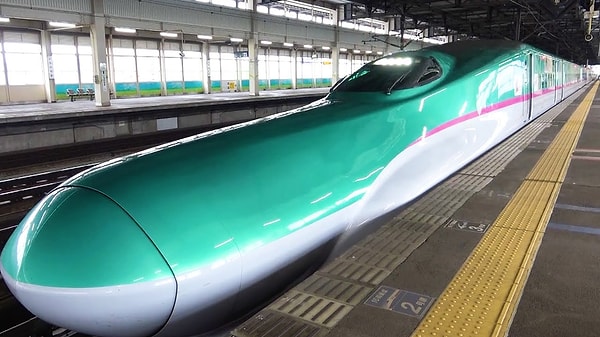
● Transportation and Transit: The aerodynamic structure of birds was taken as an example in the design of high-speed trains and airplanes. Japan's Shinkansen trains are one of the most well-known examples of this.
● Health and Medicine: The micro-structure of shark skin inspired the development of medical surfaces that do not retain bacteria. It plays a major role in reducing hospital infections.
● Energy: The photosynthesis process of leaves is taken as a model to make solar panels more efficient. Ways to use solar energy more effectively are constantly being sought.
● Everyday Products: The self-cleaning structure of the lotus flower was adapted into water- and dirt-repellent textiles and paint products. Clothes that require less washing or facades that stay clean longer are now possible.
Striking Examples of Biomimicry from Daily Life
Biomimicry appears not only in large projects but also in many products we use in our daily lives. Here are some of the most well-known examples:
● Velcro: Swiss engineer George de Mestral was inspired by the burdock seeds that got stuck to his clothes and his dog's fur while taking a walk. By examining the small hook-like structure of the seeds, he developed Velcro, which is used in many products from shoes to bags today.
● High-Speed Trains: The nose section of the Shinkansen high-speed trains in Japan was designed inspired by the beak of the kingfisher bird diving into the water. Thanks to this, the trains significantly reduced the noise and air resistance generated when entering tunnels, increasing aerodynamic efficiency.
● Shark Skin Coating: The scaly skin of a shark has a special micro-structure that prevents the accumulation of bacteria and algae on it. This structure is used in the development of antibacterial and friction-reducing coatings in many areas, from swimwear to ship hulls and even hospital surfaces.
● Gecko Feet: The millions of micro-hairs (setae) on the feet of geckos, which allow them to easily cling to walls and ceilings, inspired new-generation climbing equipment and gripping surfaces that do not require adhesives.
Biomimicry in Architecture and Interior Design: Spaces Integrated with Nature
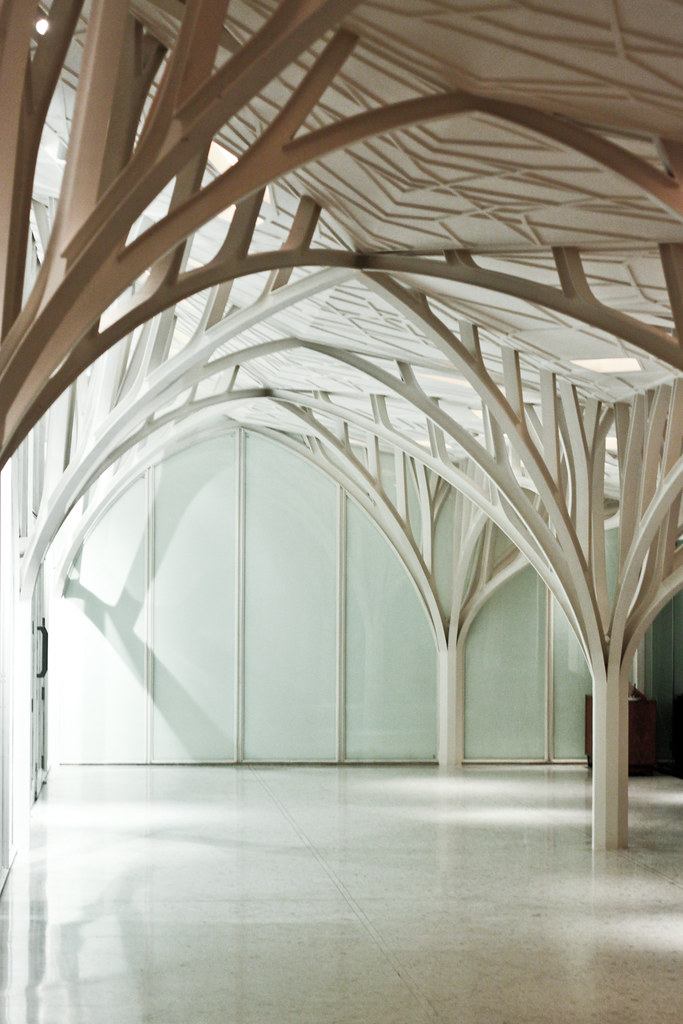
Biomimicry is gaining more importance in the field of architecture and interior design. Nature-inspired structures stand out not only aesthetically but also in terms of energy efficiency and sustainability.
● The complex internal structure of termite mounds was taken as a model to provide natural air circulation. Thanks to this, self-cooling buildings that reduce the need for air conditioning can be designed.
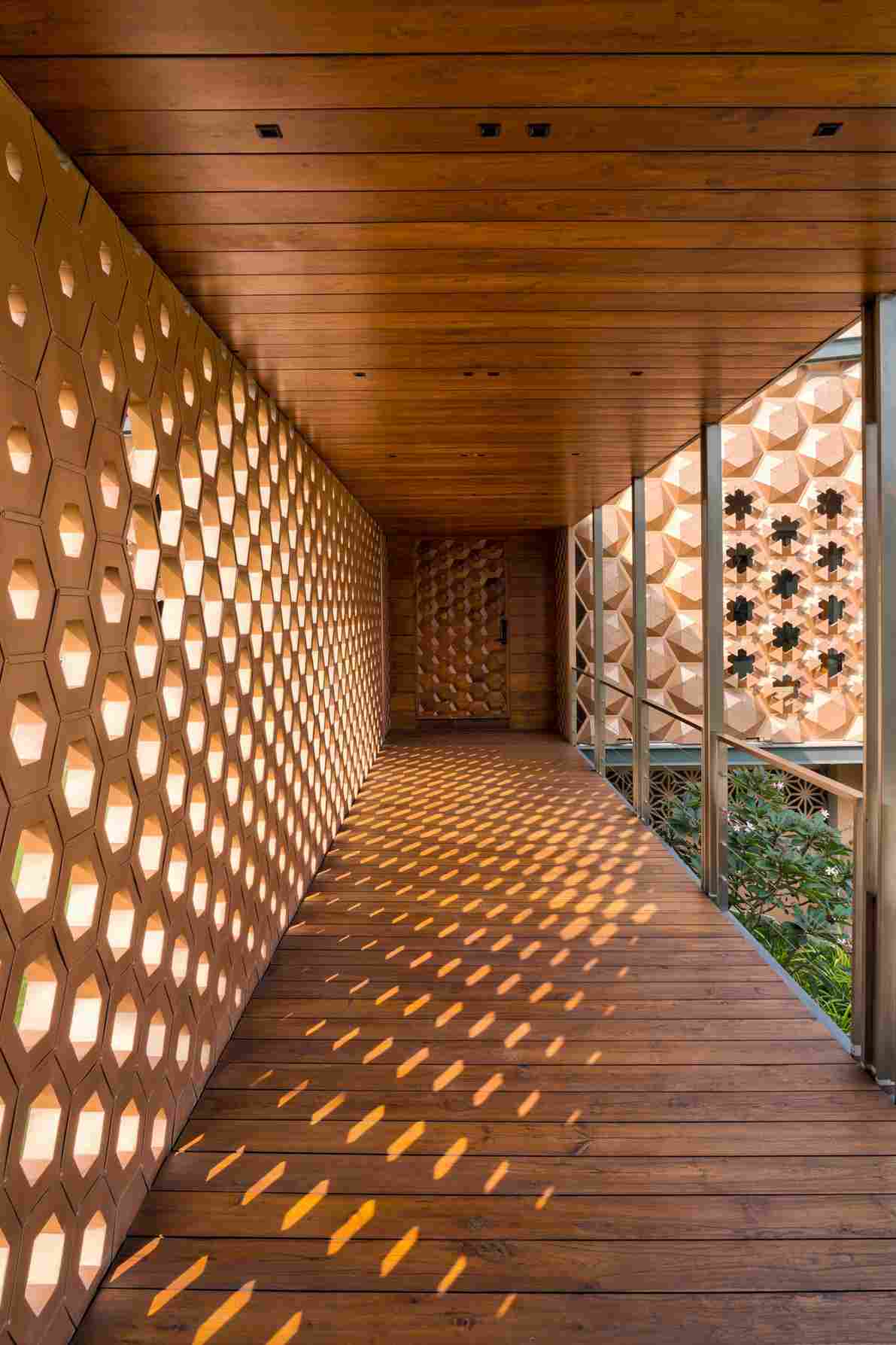
● The strategies of leaves to capture and direct sunlight in the most efficient way inspire facade systems that take in daylight optimally. This provides both energy savings and natural lighting indoors.
● Natural structures like the flexibility of spider webs or the durability of seashells are taken as examples in the development of new-generation building materials. These materials carry the potential to be lighter, stronger, and more sustainable.
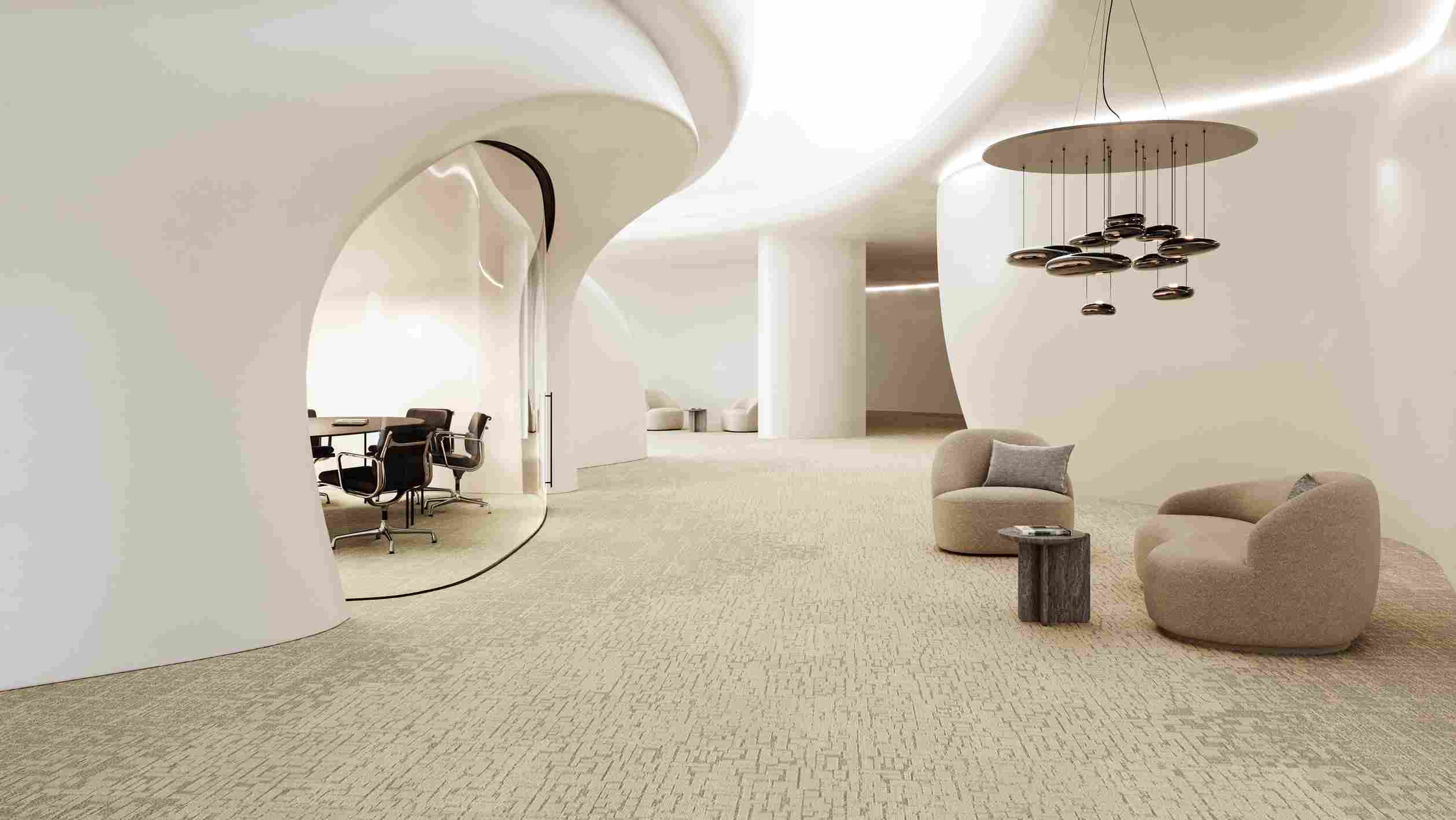
● By preferring forms and textures originating from nature in the furniture and surfaces used in spaces, a more peaceful and organic atmosphere is created. Curved lines, natural color palettes, and organic patterns are a part of this approach.
● Products such as carpet tile models reflecting natural textures, woven vinyl carpet models, or wood-look LVT floorings integrate the space with nature in accordance with the biomimicry approach. These floors bring the solutions offered by nature indoors, both aesthetically and functionally.
Thus, biomimicry turns architecture from being merely a visual art into the key to creating environmentally friendly, sustainable, and user-friendly spaces. By drawing inspiration from nature, we can make the living spaces of the future much smarter and more livable.
Discover