2025 Architectural and Art Trends: Creative Approaches Shaping the Future
In this article, we examine the architectural and art trends of the coming year, addressing the creative approaches that shape the future.

2025 Architectural and Art Trends: Creative Approaches Shaping the Future
Architecture and art are continuously evolving alongside changing societal dynamics and technological advancements. As we enter 2025, new approaches in architecture and art are forming around sustainability, technology, and human-centered designs. In this article, we examine the architectural and art trends of the coming year, addressing the creative approaches that shape the future.
1. Biophilic Design and Integration with Nature
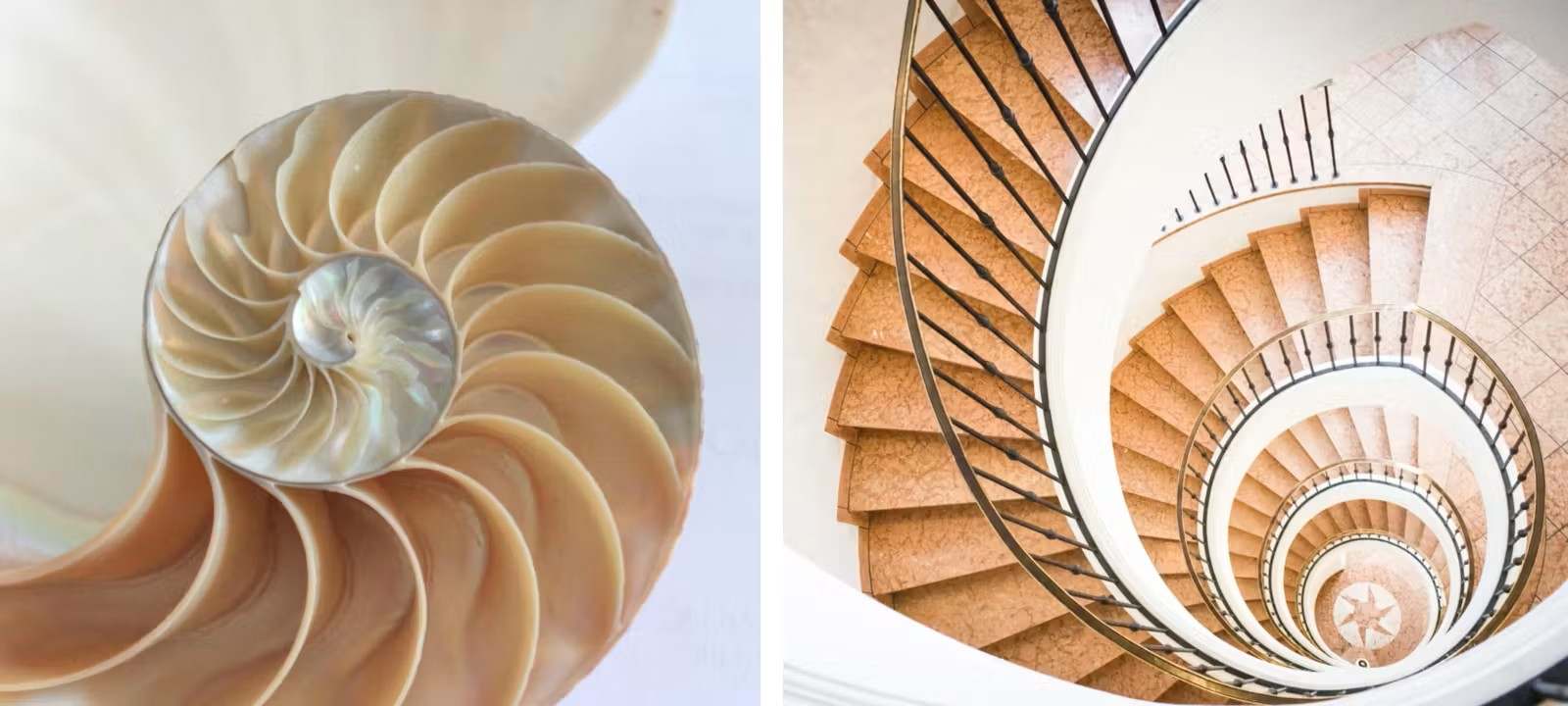
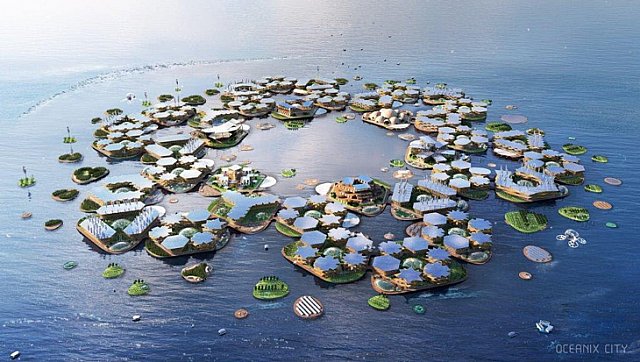
The biophilic design approach, which has gained popularity in recent years, will become even more widespread in 2025. Nature-compatible structures, green spaces, and organic forms will stand out in both architecture and art. Buildings covered with vegetation, lighting designs emphasizing natural sunlight, and structures built with recycled materials will be both aesthetically pleasing and environmentally friendly.
2. AI-Supported Art and Architecture
Artificial intelligence will give creativity a new dimension in art and architecture in 2025. Architectural designs developed using algorithms and machine learning will offer innovative forms and materials. In art, AI-supported works, interactive installations, and digital art projects will become popular.
3. Metaverse and Digital Architecture
Virtual worlds and metaverse platforms are taking architecture beyond physical limits. In 2025, digital structures designed for virtual environments will elevate art and architecture to a new dimension, independent of buildings constructed in the real world. Virtual galleries, digital art exhibitions, and 3D-printed architectural structures will be pioneers of this trend.
4. Modular and Flexible Space Designs
Urbanization and population growth emphasize spatial efficiency. Modular systems and transformable structures will be preferred to create more functional and flexible spaces in cities. Foldable furniture, movable wall systems, and multipurpose spaces will be among the architectural approaches of 2025.
5. Sustainable Materials and Ecological Buildings
Goals to reduce carbon footprints will lead to increased use of ecological materials in architecture. Wood, bamboo, recycled plastics, and biodegradable materials will be commonly used in new construction projects. Additionally, energy-efficient building designs, solar panels, and smart insulation systems will become more widespread.
6. Integrated Art and Architecture
The boundaries between art and architecture are increasingly blurred. In 2025, building facades, interior designs, and public spaces will be more integrated with artistic installations. Interactive art projects shaped with LED screens, the integration of street art into building designs, and the inclusion of digital art in architectural structures will be striking examples of this trend.
7. Minimalist and Smart Living Spaces
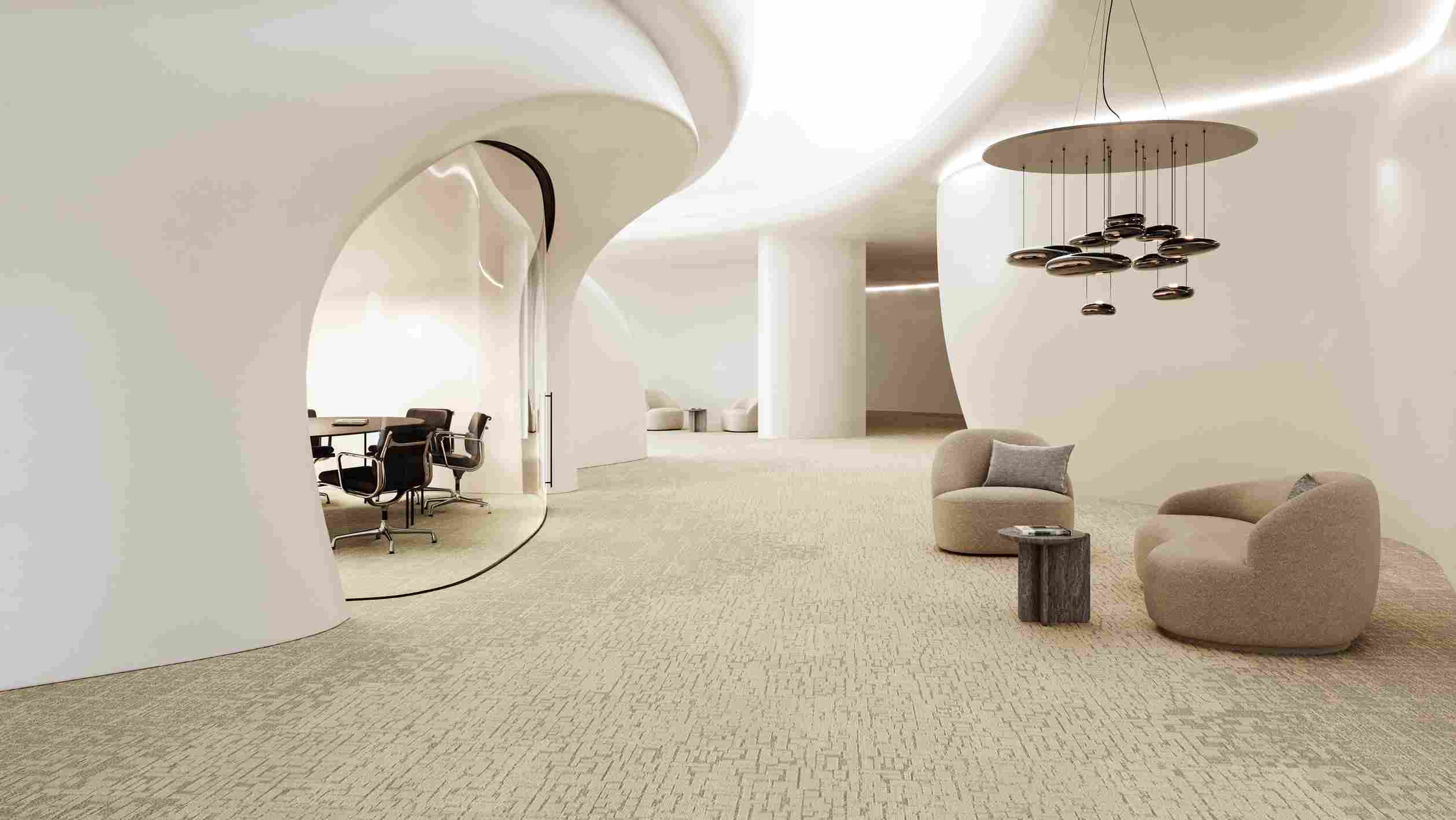
Minimalism, combining simplicity and functionality, will take the forefront in 2025. Minimalist designs integrated with smart home technologies aim to create more efficient and aesthetically pleasing spaces with fewer items. Voice-controlled lighting systems, smart glass, and automatic temperature control systems will become essential elements of modern architectural designs.
Conclusion
2025 will be a period where innovative and creative approaches dominate the worlds of architecture and art. Trends such as biophilic design, AI-supported art, metaverse architecture, sustainable building materials, and smart living spaces will shape the cities and artworks of the future. This new era, where technology meets aesthetics, points to an inspiring future that is both functional and artistically enriching.
Discover