What You Need to Know About the Slow Living Movement
In today's world, everything flows at a dizzying pace;
Things to Know About the Slow Living Movement
In today’s world, everything flows at a dizzying speed; with heavy workloads, traffic, endless technological notifications, and constantly changing agendas, it’s becoming harder to even notice how time passes. The stress and fatigue that come with this fast-paced lifestyle lead many people to seek a simpler, calmer way of living. This is exactly where the philosophy of slow living comes into play.
The slow living movement is an approach that encourages individuals to consciously slow down the pace of life, enjoy the present moment, and focus on what truly matters to them. This concept is not limited to daily routines; it encompasses all aspects of life, from nutrition and home decoration to work practices and social relationships. While offering a peaceful alternative to the chaos of modern times, the philosophy of slow living becomes a strong guide for those who want to live a more balanced and meaningful life. In this content, you will explore the core principles of slow living, its benefits, and how to integrate it step by step into your daily life.
What is Slow Living?
Literally, slow living means “living slowly.” However, the concept is not just about reducing speed. Slow living is a holistic lifestyle that aims to make more mindful decisions in every aspect of life, clear away unnecessary clutter, embrace simplicity, and appreciate the value of small moments.
This philosophy allows you to reassess your life from a wide perspective—from consumption habits and daily routines to diet and work style. The goal here is to focus on quality over quantity, adopting the mindset of “less but better.” Staying away from unnecessary hustle, using your time more meaningfully, and building a personal life in line with your own priorities form the essence of slow living.
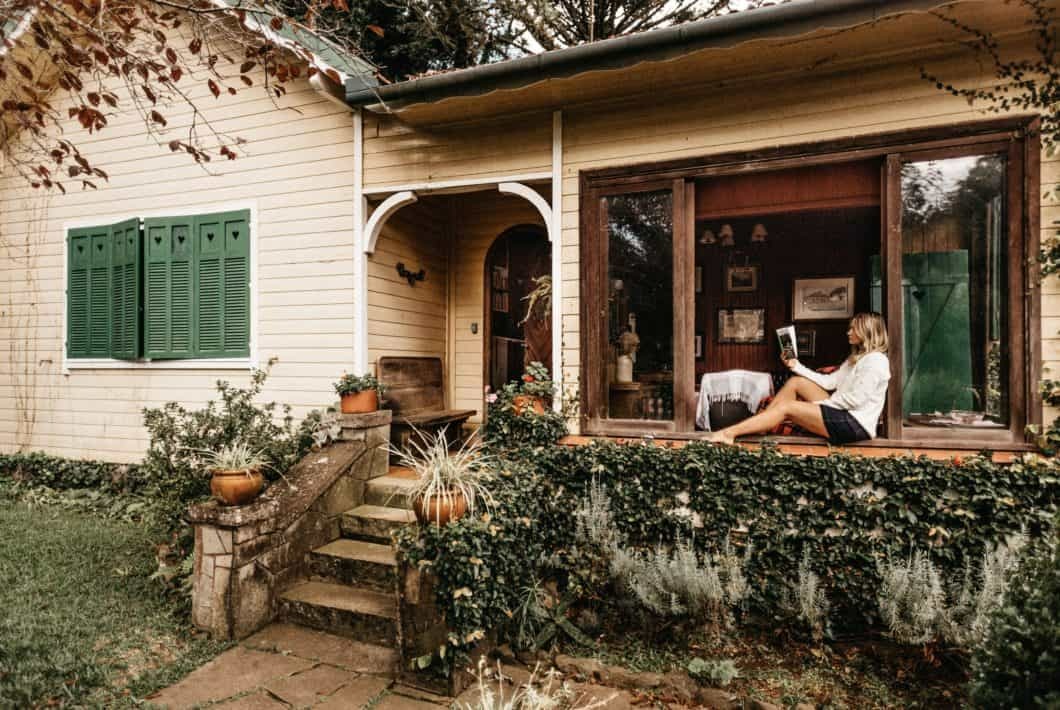
For example, instead of rushing through every minute of your day, truly savoring a coffee break is a tangible example of the slow living approach. Likewise, creating functional, peaceful, and minimalist spaces at home instead of exaggerated decoration perfectly aligns with this philosophy. In short, slow living teaches you to find your own rhythm in the age of speed and to experience life consciously and joyfully.
Core Principles and Lifestyle of Slow Living
The slow living philosophy is built upon certain key principles that can extend to all areas of daily life. These principles help individuals live more consciously and peacefully, both within themselves and in their interactions with others.
-
Simplicity and Minimalism: Slow living encourages decluttering. Less stuff, less consumption, and less rushing mean more peace, calm, and inner clarity. Minimalist steps taken at home create mental space that helps you think more clearly.
-
Living in the Moment: Instead of being stuck in past regrets or lost in future worries, slow living focuses on the value of “the present.” It’s about experiencing daily routines, not as chores, but as meaningful experiences. For instance, enjoying every bite of a meal instead of eating it hastily.
-
Harmony with Nature: Choosing natural products, adopting sustainable habits, and embracing an eco-friendly lifestyle are core to slow living. This is not just about being environmentally conscious but also about benefiting from nature’s calming effect.
-
Mindful Consumption: A key part of the approach is questioning every need and bringing only what is truly necessary into your life. Instead of unnecessary shopping, opting for durable, high-quality, and functional products benefits both you and the planet.
-
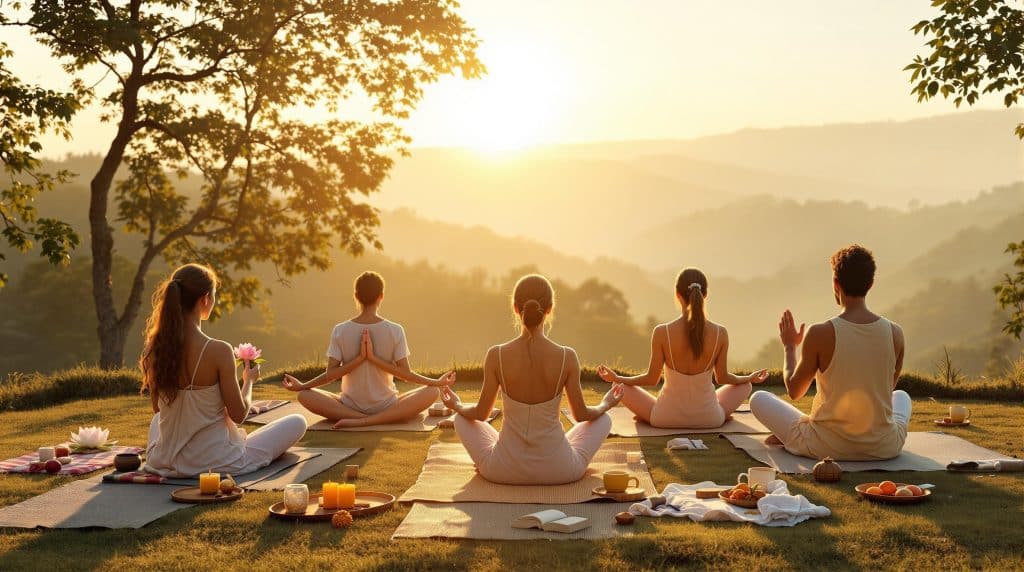
Spiritual and Physical Balance: Slow living focuses not only on external factors but also on inner balance. Even simple practices like meditation, a short walk in nature, or breathing exercises can help. Dedicating quality time to yourself strengthens both your mental and physical well-being.
These principles represent not just a lifestyle but also a different perspective on life itself. Those who embrace slow living discover that by moving away from speed, they actually open the door to a more productive, balanced, and meaningful life.
Benefits of Embracing Slow Living in the Age of Speed
The fast pace of modern life unfortunately brings along stress, distraction, and burnout. At this point, the philosophy of slow living offers a valuable solution that allows people to reconnect with themselves and improve their quality of life.
-
Slow living makes it possible to move away from constant rushing and find calm. Pausing during the day to breathe and live in the moment significantly reduces stress levels while boosting mental balance and inner peace.
-
Simplifying life eliminates both environmental and mental distractions. Fewer stimuli mean a clearer mind, enabling you to focus on what truly matters and become more productive.
-
A slower lifestyle supports healthy eating, regular sleep, and body awareness. For example, eating slowly and savoring your food helps digestion. This strengthens both physical and mental health and enhances overall well-being.
-
Slow living enriches human relationships as well. Instead of shallow, rushed communication, it allows us to spend more mindful and quality time with loved ones. Stepping away from social media helps strengthen real-life connections.
-
Simplifying life is not only a spiritual gain. Conscious choices in spaces, from decoration to work environments, create a peaceful and aesthetic atmosphere everywhere.
How to Apply Slow Living in Decoration
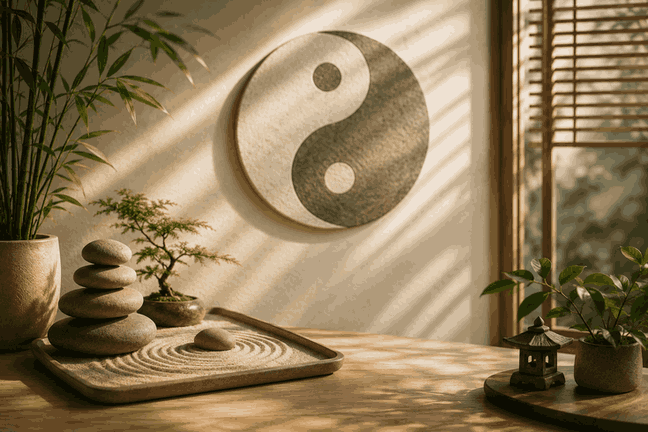
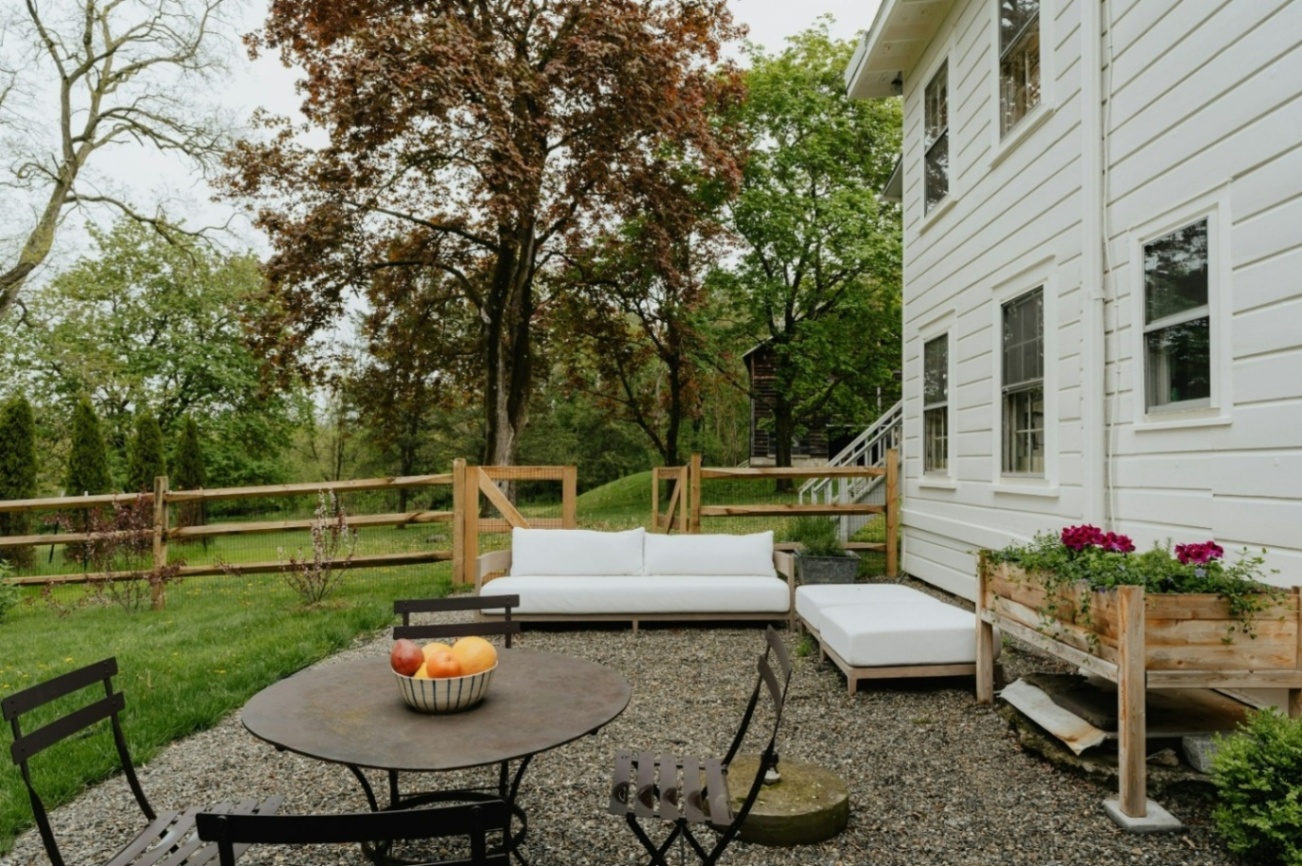
The philosophy of slow living is not limited to a way of thinking; it also powerfully manifests in our living spaces. Since home décor directly affects a person’s mood, slow living plays an important role in design. This approach transforms spaces into calming sanctuaries that appeal to your eyes while soothing your soul.
-
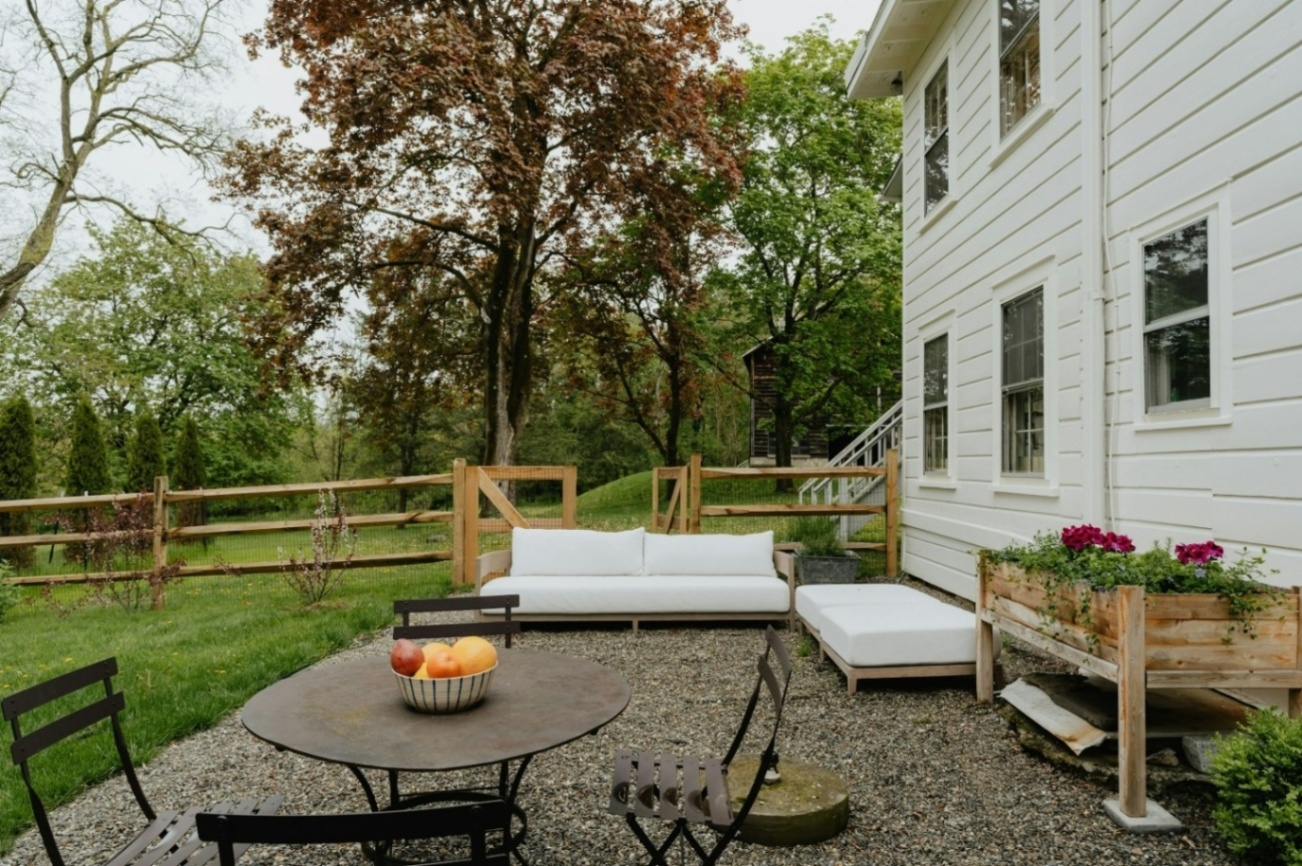
Natural materials such as wood, stone, cotton, or linen add warmth, authenticity, and serenity to a space. Their textures provide visual calmness while naturally uplifting the room’s energy. Combined with simplicity, naturalness reflects the spirit of slow living in the best way.
-
Minimal use of furniture removes unnecessary clutter and allows the space to breathe. Choosing fewer but functional pieces is essential. Fewer items mean less chaos, more space, and more peace, offering you mental clarity.
-
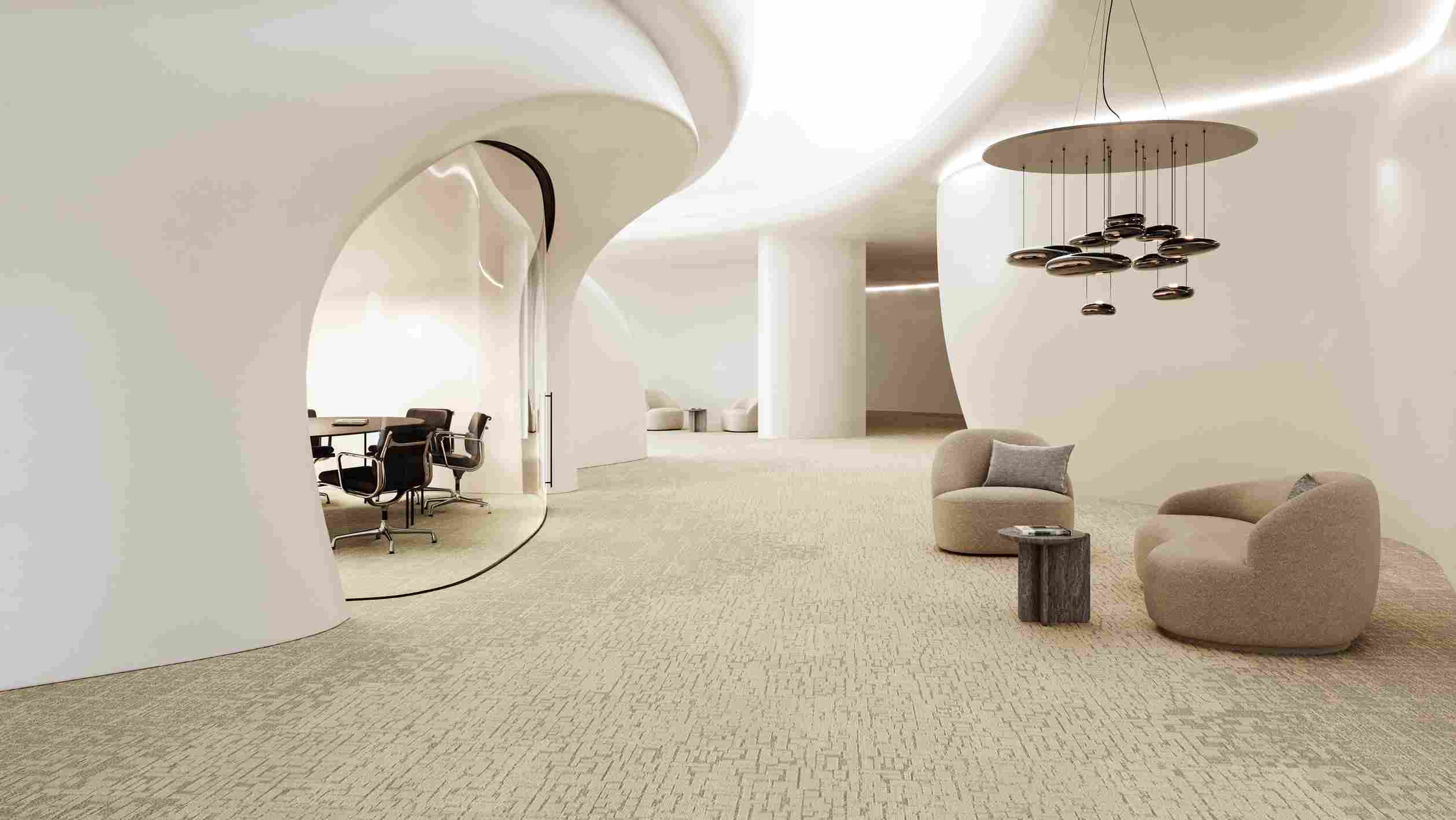
Neutral and natural tones such as beige, cream, and pastels create soothing atmospheres that do not overwhelm the eye. These colors almost whisper tranquility and directly support a peaceful lifestyle.
-
Functionality and comfort should go hand in hand with aesthetics. For example, durable and easy-to-clean flooring not only adds practicality but also suits the slow living philosophy. Carpet tile solutions, for instance, combine durability with ease of maintenance, making them a fitting choice. Opt for products that bring you long-term comfort.
-
Plants, natural light, and light curtains make living spaces more peaceful and energetic. Sunlight streaming through windows transforms the atmosphere of a room, while greenery adds vitality. Connecting with nature is one of the strongest and most calming steps of the slow living philosophy.
Discover